 UAE
UAE
Plant Light Intensity Measurement: Understanding Light for Optimal Growth


Frequently Asked Questions
Plant light intensity refers to the amount of light energy reaching plants for photosynthesis. In horticulture, light intensity is commonly measured using PPFD (Photosynthetic Photon Flux Density), Lux, or PAR values depending on the application.
: Light intensity directly affects photosynthesis and plant biomass. Insufficient light can result in weak, elongated, and stressed plants, while adequate intensity supports healthy and vigorous growth
PPFD (Photosynthetic Photon Flux Density) measures the amount of photosynthetically active light reaching a square meter every second. It is expressed in µmol/m²/s and is one of the most important metrics in horticulture lighting.
PAR (Photosynthetically Active Radiation) refers to the light spectrum between 400–700 nm that plants use for photosynthesis. PPFD measures the intensity of PAR light reaching plants.
Lux measures light brightness based on human eye sensitivity, while PPFD measures usable light for plant photosynthesis. PPFD is more accurate for evaluating grow lights and plant lighting performance.
Plant light intensity is commonly measured using: PAR meters Quantum sensors Spectrometers Professional growers typically use PAR meters to measure PPFD accurately.
The ideal PPFD depends on the crop: Low-light plants: 20-40 µmol/m²/s Leafy greens: 150–300 µmol/m²/s Fruiting crops: 4000+ µmol/m²/s Commercial crops may require higher PPFD levels.
Low light intensity can cause: Slow growth Leggy stems Pale leaves Poor flowering Reduced crop yield Plants may also stretch toward the light source under insufficient lighting.
Yes. Excessively high light intensity may lead to: Leaf burn Heat stress Photoinhibition Wilting Reduced photosynthesis efficiency Proper light balance is important for healthy plant growth.
Grow light intensity decreases as the distance from the light source increases. Positioning grow lights too far from plants reduces PPFD, while placing lights too close may cause heat or light stress.
LED grow lights are widely used because they: Offer high energy efficiency Produce less heat Provide customizable spectrum control Deliver high PPFD Have long operational lifespan LEDs are ideal for hydroponics and controlled environment agriculture.
DLI (Daily Light Integral) measures the total amount of PAR light plants receive in a full day. DLI combines PPFD and lighting duration to determine total daily light exposure.
PPFD measures instantaneous light intensity, while DLI measures cumulative daily light exposure. Growers use both metrics to optimize indoor lighting strategies.
here is no single best spectrum for all plants. The ideal spectrum depends on the plant species, growth stage, and application. Different crops and applications require different light recipes for optimal growth.
Lighting duration depends on plant type: Leafy greens: 14–18 hours Herbs: 12–16 hours Fruiting plants: 12–18 hours Growers adjust photoperiods to achieve target DLI levels.
Wattage measures electricity consumption, while PPFD measures the actual usable light plants receive. A lower-watt LED can sometimes provide higher PPFD than inefficient lighting systems.
Growers can optimize light intensity by using dimmable grow lights, maintaining the recommended distance between the light and plant canopy, selecting high-PPE fixtures, and managing the photoperiod according to the plant's growth stage.
Related Articles
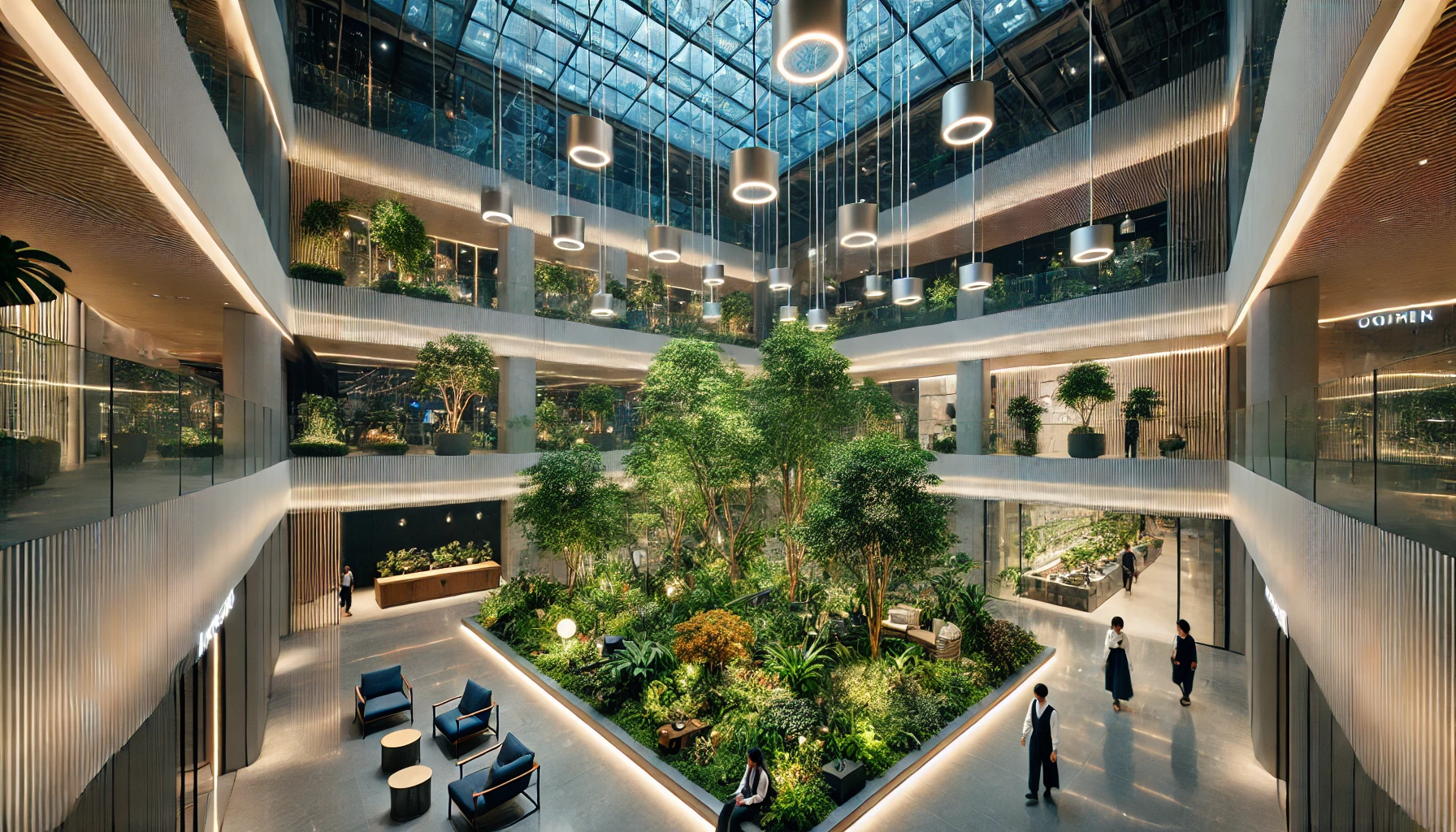
Role of LED Grow Lights For Indoor Gardening In UAE & Middle East
Introduction: Indoor gardening has gained significant popularity in the UAE and the broader Middle East due to the region’s challenging climatic conditions. With high temperatures, limited rainfall, and arid landscapes, traditional outdoor gardening can be a daunting task. Enter LED grow lights, a g...

Hydroponics with LED lights in UAE
Abstract : In this study, the effect of different light emitting diode (LED) grow light wavelength and power of the LED lights on plant growth were investigated by adopting nutrient film technique of hydroponic indoor vegetable farming. Commercial LEDs are deployed in this work, and the findings ben...
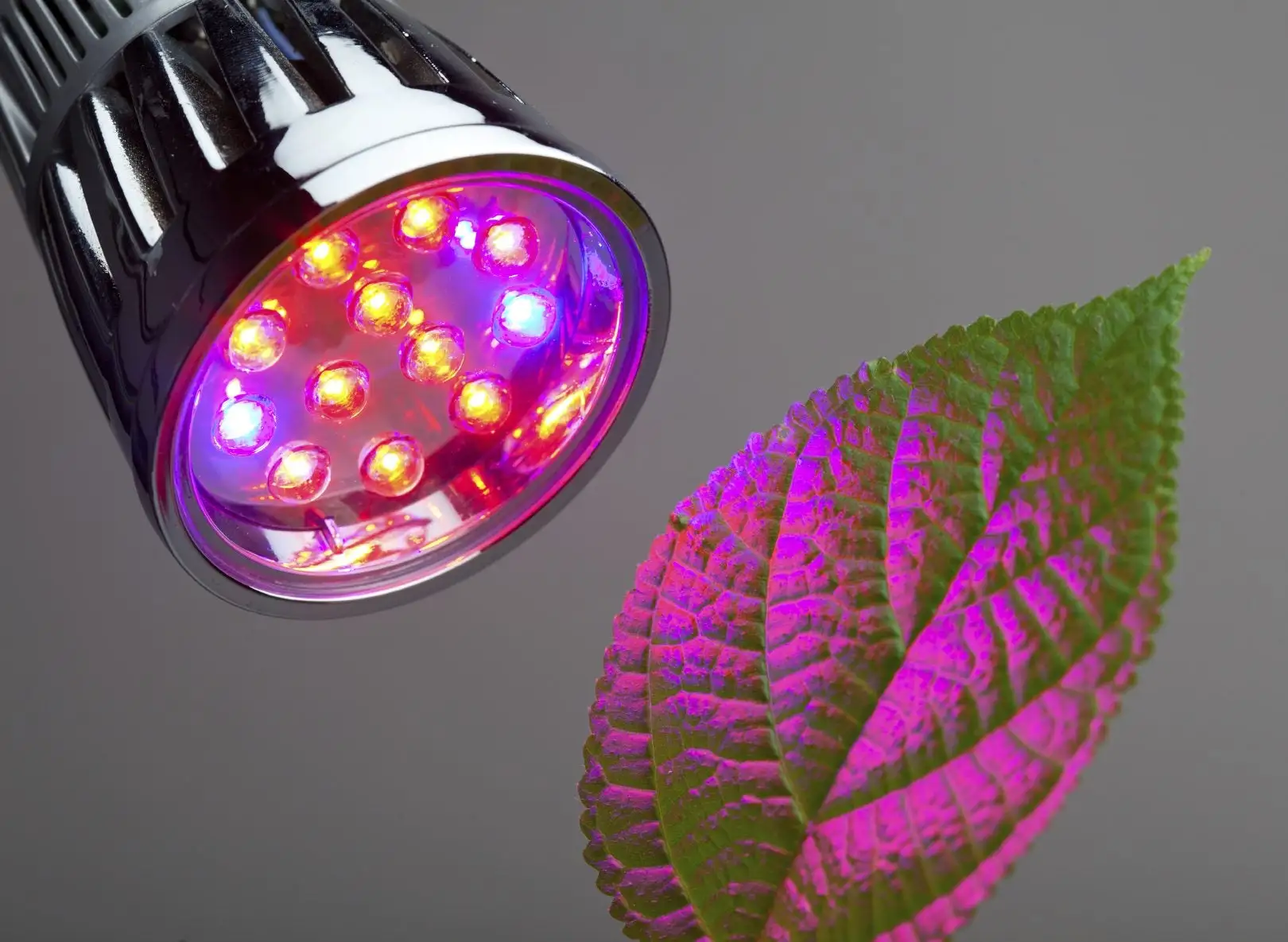
UV Lights for Indoor Plant Growth: A Comprehensive Guide
Introduction: Do Plants Really Need UV Lights? There’s some debate about whether UV light is important for plants. Some growers even question if ultraviolet light is useful in plant cultivation at all.The truth is, if you’re growing plants indoors, you should give them some UV light.We’ll explain ev...
Don't have an account?
Reset link sent!
Check your email for the password reset link.
Enter your email address and we'll send you a link to reset your password.
Already have an account?

Get Quote
Before You Go!
Get a free consultation from our lighting experts.