UAE
UAE

Linear Grow Lights for Indoor Landscaping
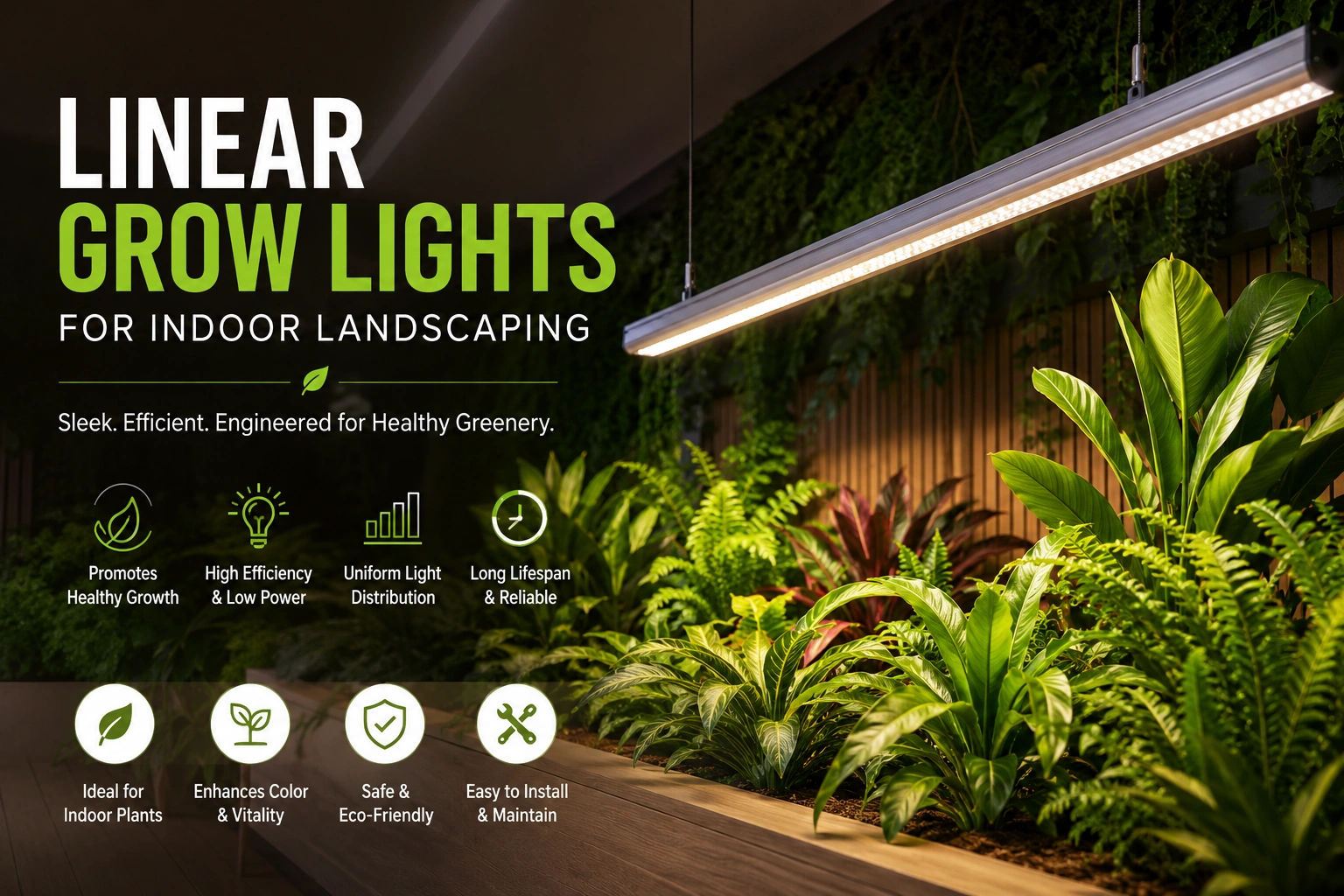
Indoor landscaping has become an essential element in modern architecture, commercial spaces, hotels, offices, shopping malls, and residential interiors. As indoor plants are often exposed to limited natural sunlight, artificial lighting plays a critical role in maintaining healthy plant growth. Among the various horticultural lighting solutions available today, linear grow lights have emerged as one of the most efficient and aesthetically pleasing options for indoor landscaping applications.
What are Linear Grow Lights?
Linear grow lights are elongated LED fixtures specifically designed to provide uniform light distribution across plants. Unlike spotlights or traditional grow lamps that focus light on a small area, linear grow lights deliver consistent illumination over a larger surface, making them ideal for green walls, planter boxes, shelves, indoor gardens, and landscaped corridors.
These luminaires are engineered to emit wavelengths that support photosynthesis while maintaining a visually appealing appearance suitable for architectural environments.
Importance of Lighting in Indoor Landscaping
Plants require light to perform photosynthesis, the process through which they convert light energy into chemical energy for growth and development. In indoor environments, insufficient sunlight can lead to:
Slow or stunted growth
Yellowing of leaves
Poor foliage density
Reduced plant vigor
Premature leaf drop
Linear grow lights help overcome these challenges by providing plants with the light intensity and spectrum necessary for healthy growth throughout the year.
Advantages of Linear Grow Lights
1. Uniform Light Distribution
One of the biggest advantages of linear grow lights is their ability to provide even illumination across the entire planting area. This uniformity ensures that all plants receive similar light exposure, resulting in consistent growth and appearance.
2. Energy Efficiency
Modern LED-based linear grow lights consume significantly less power compared to traditional fluorescent or metal halide lighting systems. High efficacy LEDs convert more electrical energy into usable plant light, reducing operating costs.
3. Architectural Integration
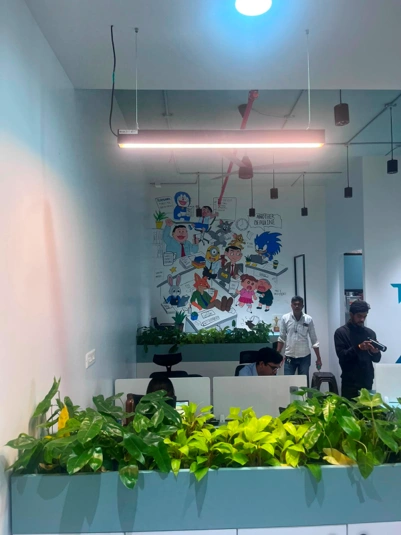
Linear fixtures can be seamlessly integrated into indoor landscaping designs. They can be concealed within planters, mounted on ceilings, suspended above planting beds, or incorporated into green wall structures without disrupting the aesthetics of the space.
4. Low Heat Emission
Unlike conventional horticultural lamps, LED linear grow lights generate minimal radiant heat. This allows fixtures to be installed closer to plant canopies while reducing the risk of leaf scorching and maintaining a comfortable indoor environment.
5. Long Operational Life
High-quality LED grow lights typically offer operational lifetimes exceeding 50,000 hours, minimizing maintenance requirements and replacement costs
Applications of Linear Grow Lights
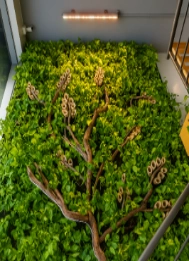
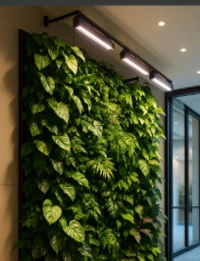
Vertical Green Walls
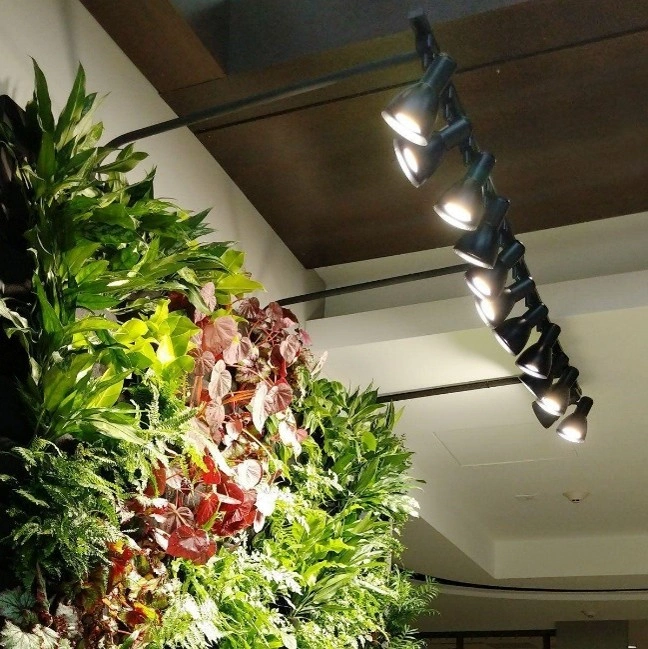
Living walls are increasingly popular in commercial and hospitality projects. Linear grow lights mounted above or within the green wall structure provide uniform coverage, ensuring healthy growth from top to bottom.
Indoor Planters
Linear luminaires can be installed above decorative planters in offices, hotels, airports, and retail spaces to support ornamental foliage plants.
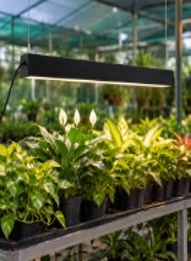
Shelving and Plant Displays
For indoor plant displays and retail garden sections, linear grow lights deliver balanced illumination across multiple shelves and tiers.
Corridors and Common Areas
In large buildings where natural daylight penetration is limited, linear grow lights help maintain lush landscaping in hallways, lobbies, and common areas.
Controlled Environment Spaces
Research facilities, plant nurseries, and growth chambers often use linear LED fixtures to provide precise and repeatable lighting conditions.
Key Factors When Selecting Linear Grow Lights
Light Spectrum
A balanced full-spectrum output is generally preferred for indoor landscaping because it supports healthy vegetative growth while providing natural visual appearance for occupants.
Light Intensity
The required light level depends on plant species, installation height, and project objectives. Shade-loving plants require lower light levels, while tropical foliage species may need higher illumination.
Fixture Placement
Proper positioning ensures uniform light distribution and minimizes shadow formation. Installation height should be selected based on beam characteristics and planting density.
Environmental Conditions
Factors such as temperature, humidity, and air circulation should be considered when designing an indoor horticultural lighting system.
Nexsel Model’s
GWGL L
GWGL LS
PFL C
PFL S
LL 28
Sustainability Benefits
Linear LED grow lights contribute to sustainable building practices by:
Reducing energy consumption
Lowering maintenance requirements
Supporting long-term plant health
Enhancing indoor environmental quality
Improving occupant well-being through greener interior spaces
As green building initiatives continue to expand, efficient horticultural lighting solutions are becoming increasingly important in indoor landscaping projects.
Important Lighting Parameters for Indoor Landscaping
Photosynthetic Photon Flux Density (PPFD)
PPFD measures the number of photosynthetically active photons reaching a plant surface each second.
It is expressed as:
μmol/m²/s
PPFD is one of the most important metrics in horticultural lighting because it directly relates to the amount of usable light available for photosynthesis.
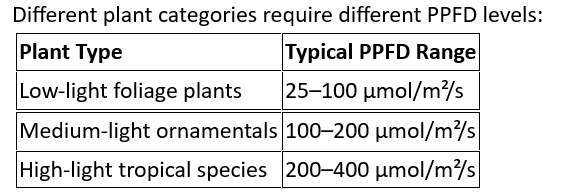
Selecting the appropriate PPFD level is essential for achieving healthy plant growth while avoiding unnecessary energy consumption.
Light Spectrum
Plants utilize different wavelengths of light for various physiological processes.
A balanced horticultural spectrum typically includes:
Blue light (400–500 nm) for vegetative growth
Green light (500–600 nm) for canopy penetration
Red light (600–700 nm) for photosynthesis efficiency
For indoor landscaping applications, full-spectrum lighting is generally preferred because it supports plant growth while maintaining natural leaf coloration for occupants.
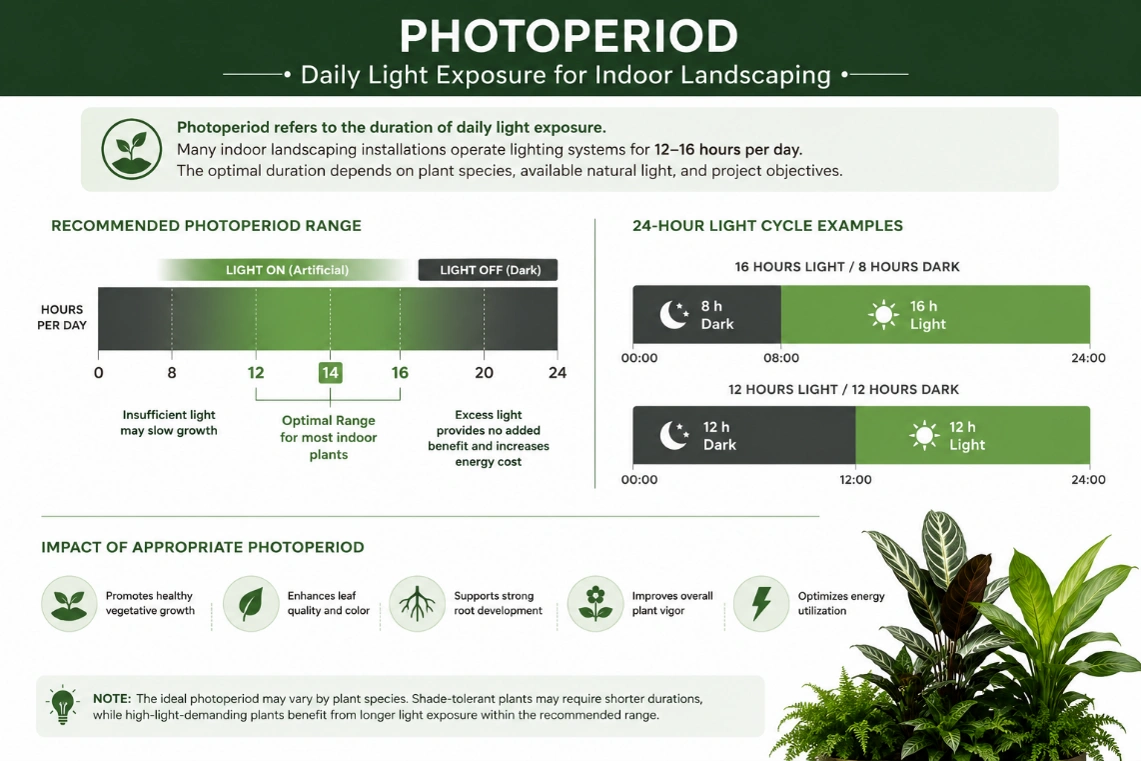
Photoperiod
Photoperiod refers to the duration of daily light exposure.
Many indoor landscaping installations operate lighting systems for:
12–16 hours per day
The optimal duration depends on plant species, available natural light, and project objectives.
Design Considerations for Successful Installations
Mounting Height
The distance between the fixture and plant canopy significantly influences light distribution.
Lower mounting heights increase light intensity but reduce coverage area.
Higher mounting heights improve coverage but decrease intensity.
Designers must balance these factors to achieve uniform illumination.
Fixture Spacing
Proper fixture spacing ensures that light patterns overlap appropriately.
Poor spacing can create:
Dark zones
Bright hotspots
Uneven plant growth
Professional lighting calculations help optimize fixture placement for each project.
Plant Selection
Not all plants have identical lighting requirements.
Selecting species compatible with available light conditions improves long-term success and reduces maintenance costs.
Environmental Control
Lighting should be considered alongside other environmental factors, including:
Temperature
Humidity
Irrigation
Air circulation
Nutrient management
A balanced approach produces healthier and more resilient plants.
Sustainability and Long-Term Benefits
Linear grow lights contribute significantly to sustainable building practices.
Their advantages include:
Reduced energy consumption
Longer operational life
Lower maintenance costs
Improved indoor environmental quality
Reduced plant replacement frequency
Healthy indoor landscapes also contribute to occupant well-being by creating more attractive and biophilic environments.
Numerous studies have shown that access to greenery can improve mood, increase productivity, and enhance overall satisfaction within indoor spaces.
Conclusion
Linear grow lights have transformed indoor landscaping by providing an efficient, reliable, and visually appealing method of supporting plant growth in environments with limited natural light. Their uniform light distribution, energy efficiency, long lifespan, and seamless architectural integration make them an ideal choice for green walls, indoor planters, commercial interiors, and controlled environment applications.
With proper lighting design and fixture selection, linear grow lights can help create vibrant indoor landscapes that enhance aesthetics, improve environmental quality, and support healthy plant development throughout the year.
Reference
ASABE S640: Quantities and Units of Electromagnetic Radiation for Plants.
Illuminating Engineering Society (IES) – The Lighting Handbook.
ICAR – Indian Institute of Horticultural Research (IIHR).
Indian Horticulture (ICAR) publications on indoor foliage and ornamental plants.
Apogee Instruments – Technical guides on PPFD measurement.