Speed Breeding

About LED Grow Lights for Speed Breeding and Rapid Plant Generation

Team Nexsel
May 27, 2025
Indoor Gardening

Abstract:
Speed breeding, also known as rapid plant generation, is changing the way crops are developed for the next generation. LED grow lights play a key role in this process, offering precise control over light quality (spectrum) and quantity (intensity and photoperiod). By using LED lighting for rapid trait selection and crop development, researchers and growers can speed up breeding cycles, improve yields, and boost the production of important plant compounds. Compared to traditional lighting, LED grow lights offer higher energy efficiency, custom light spectra, and much lower heat, making them ideal for greenhouses, plant growth chambers, and controlled environment agriculture.

Introduction: Why LED Grow Lights Matter for Speed Breeding 🌾

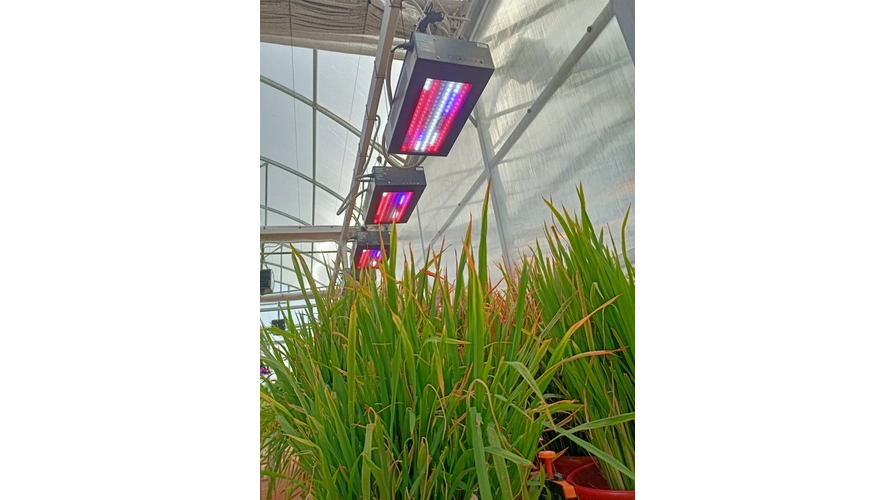
For over 100 years, supplemental lighting has helped improve plant growth, but most old technologies were not designed for plant research. LEDs have changed this field because they deliver exactly the light plants need, with less power use and more flexibility. In speed breeding and rapid generation systems, LED grow lights enable:

• Faster crop cycles by supporting 20–22 hours photoperiods

• Better control of plant traits (like height, color, or flowering time)

• Consistent, repeatable results in breeding programs

With LED technology, breeders can quickly develop new plant varieties that are better suited to future climate, pest resistance, and market needs.

The impact of LED efficiency on the growth and development of plants

Key Benefits of LED Grow Lights for Rapid Trait Selection

1. High Energy Efficiency & Low Heat

Traditional grow lights (like HPS and fluorescent) waste energy as heat. LED grow lights use up to 70% less energy and produce little heat, helping plants grow without stress.

2. Custom Spectrum for Every Crop

LED grow lights can deliver specific wavelengths—mainly red and blue—for optimal photosynthesis, flowering, and growth. Different crops and growth stages benefit from tailored light recipes, boosting results in breeding trials.

3. Precision and Automation

LED systems can be easily connected to smart controllers and sensors. This enables automated light schedules and real-time adjustments for plant growth, reducing manual work and human error.

4. Support for Secondary Metabolites

Certain LED light spectra can enhance the production of valuable plant compounds (antioxidants, vitamins, and oils). This is especially important for medicinal and nutraceutical crops.

How LED Grow Lights Speed Up Plant Generation

• Photoperiod Extension: LED grow lights can run for long hours (up to 22 hours per day), allowing plants to complete life cycles faster—cutting months off traditional breeding timelines.

• Spectrum Tuning: Adjusting red, blue, and far-red LEDs optimizes growth, triggers flowering, and regulates plant size.

• Temperature Control: Lower heat output keeps greenhouse and chamber environments stable, preventing stress and allowing dense planting.

Example:
Using LED grow lights, wheat, chickpea, and rice breeding cycles can be shortened from 120 days to as little as 60 days, doubling the number of generations grown per year.

LED Effects on Plant Physiology

• Photosynthetic Efficiency: LEDs improve how well plants convert light into energy, leading to faster and healthier growth.

• Gene Expression: Research shows that different LED wavelengths can trigger key genes responsible for growth, defense, and yield.

• Enzyme and Secondary Metabolite Production: LED light can boost the production of essential oils, flavonoids, and disease-resistance compounds.

pic

Applications in Modern Plant Breeding

• Greenhouses: Supplement natural light with LEDs for year-round breeding and seed production.

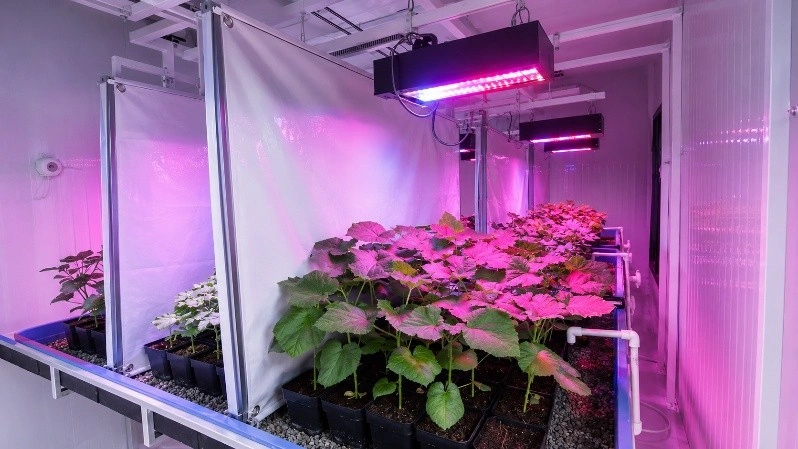
• Growth Chambers: Use fully controlled LED environments for rapid generation cycles and precise trait selection.

• Tissue Culture Labs: Promote healthy and uniform plantlet growth with custom LED light recipes.

• Vertical Farms: Stack crops in multiple layers, using LED grow lights to save space and maximize output.

Future Directions for Speed Breeding Lighting

• IoT and AI Integration: Smart LED grow lights that adjust spectrum and timing based on crop needs.

• Affordable Large-Scale Solutions: As LED costs drop, more commercial greenhouses are switching to LEDs for breeding and production.

• Custom LED Chips: Future grow lights will offer even more precise spectra for unique crops and traits.

Conclusion

LED grow lights are transforming rapid plant generation and trait selection, paving the way for next-generation crops. By using energy-efficient, customizable, and long-lasting LED lighting systems, breeders and growers can boost crop quality, speed up innovation, and help feed the future.

References

  1. The Role of LED Light in Enhancing Crop Production: From Photosynthesis to Crop Breeding. Frontiers in Plant Science, 12, 600018.

  2. Effect of LED Lighting on Plant Growth and Development. Horticulture, Environment, and Biotechnology, 57(6), 579-586.

  3. LEDs in Horticultural Lighting. HortScience 43(7), 1947-1953.

  4. The Future of Vertical Farming: Role of Light Emitting Diodes in Sustainable Agricultural Practices. Frontiers in Sustainable Food Systems.

  5. LED Lights and Their Role in Modern Agricultural Practices. Agricultural Sciences.

Related Articles

Accelerating Cotton Breeding through Speed Breeding Techniques
Speed Breeding

Accelerating Cotton Breeding through Speed Breeding Techniques

Introduction: Cotton is an essential crop worldwide, used as a raw material for the textile industry and other products. However, cotton’s productivity is affected by various biotic and abiotic stresses, such as insect pests, diseases, drought and high temperatures. Breeding programs have played a v...

Aug 12, 2024 Team Nexsel
Speed Breeding for Crop Improvement
Speed Breeding

Speed Breeding for Crop Improvement

In conventional plant breeding, after making crosses between desired parents, selection and screening for the desired traits along with generation advancement of the selected material is time consuming and thus 8-10 years are required for development of new variety. This slow improvement rate is att...

Jul 02, 2024 Team Nexsel

Don't have an account?

Reset link sent!

Check your email for the password reset link.

Enter your email address and we'll send you a link to reset your password.

Already have an account?

Nexsel

Get Quote