UAE
UAE

How to reduce electricity cost in vertical farm?

In Controlled-Environment Agriculture (CEA), lighting is the largest variable cost. To make vertical farming commercially viable, we must optimize the Energy Use Efficiency.
Here is how we approach electricity reduction from a manufacturing and physiological perspective:
1. Maximizing Photosynthetic Photon Efficacy (PPE)
In your field trials, you measure yield per hectare. In vertical farming, we measure yield per watt.
The Metric: We focus on PPE (μmol/J). If a fixture has a low PPE, it means a large percentage of the electrical energy is being wasted as heat rather than being emitted as PAR (Photosynthetic Active Radiation).
The Strategy: Transitioning from older HPS or low-tier LEDs to high-efficacy horticulture-grade LEDs (3.2+ μmol/J) reduces the baseline energy load by 30-40% for the same PPFD levels.
2. Precision Spectrum & Photomorphogenesis
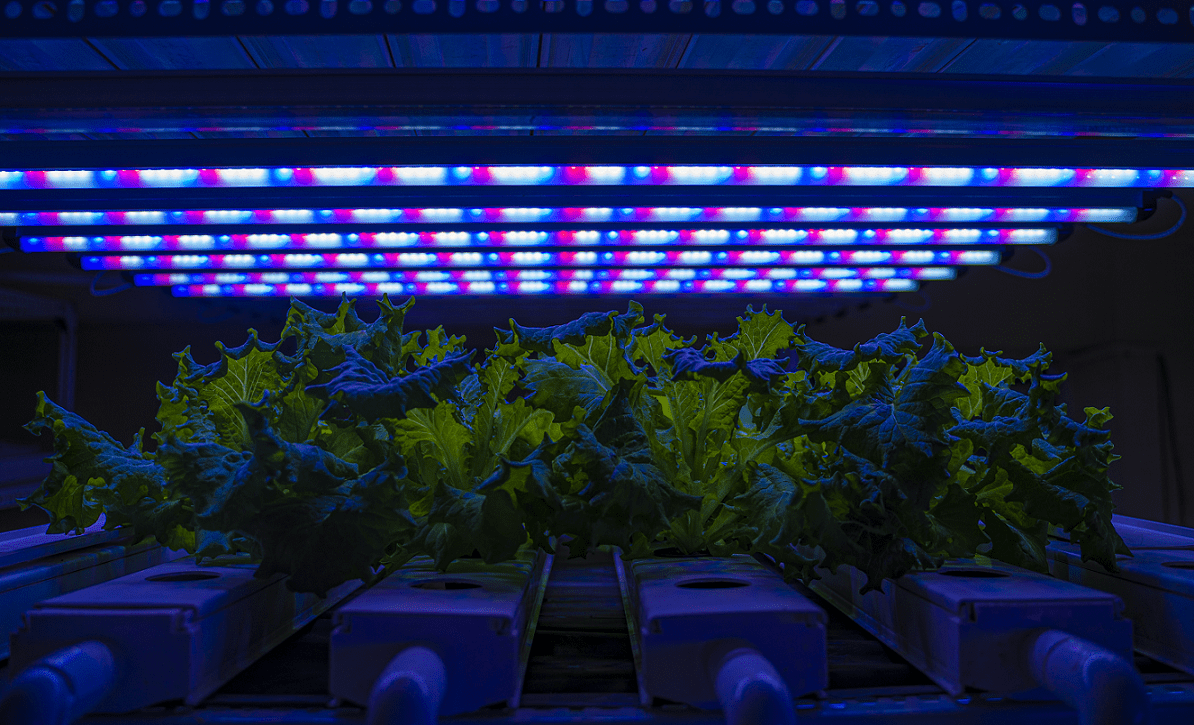
Broad-spectrum "white" light contains wavelengths that plants may not utilize efficiently at certain growth stages.
Spectral Tuning: By manipulating the R:B (Red to Blue) ratio, we can control plant architecture. For example, increasing Blue light can prevent internode elongation, allowing for higher plant density per layer.
Quantum Yield Optimization: We align our LED peaks with the McCree Curve.
3. Managing the Daily Light Integral (DLI)
Energy is often wasted by lighting plants beyond their Light Saturation Point.
Dynamic DLI Control: By integrating sensors, we ensure the crop receives its specific DLI requirement (e.g., 14–16 mol/m²/d for lettuce) and then dim the system.
4. Thermal Load
A major hidden cost of electricity is Latent and Sensible Heat management.
Passive Thermal Management: High-quality fixtures use advanced heat-sinking to keep diode junction temperatures low. This reduces the Heat Gain of the grow room.
5. Peak Shaving
Photoperiod Shifting: From an economic standpoint, running the "Day" cycle during utility "Off-Peak" hours (usually 10 PM to 6 AM) reduces the cost per kWh.
Conclusion
Reducing electricity cost in vertical farming is not about one change—it is a combination of smart lighting, crop science, and system optimization 🌱
By improving PPE, using precise spectrum, controlling DLI, managing heat, and optimizing operating hours, farms can significantly reduce energy consumption while maintaining or even improving yield.
👉 In simple terms, better lighting strategy = lower cost + higher efficiency + better growth
In the above article, we try to resolve the following customer queries:
How can electricity cost be reduced in vertical farming systems?
Why is lighting the highest energy cost in CEA setups?
What is PPE and how does it impact energy efficiency?
How can high-efficacy LEDs reduce power consumption?
What is the role of spectrum in reducing electricity usage?
How does Red:Blue ratio affect plant growth and density?
What is DLI and how does it help avoid energy wastage?
Can sensors and automation reduce lighting energy consumption?
How does heat from lighting increase overall electricity cost?
How can better thermal management reduce cooling load?
What is peak shaving and how does it reduce electricity bills?
Can changing photoperiod timing reduce cost per unit of electricity?
How to optimize lighting without affecting plant growth and yield?
What combination of strategies gives maximum energy savings in vertical farming?