UAE
UAE

Role of Light Intensity in Speed Breeding: Effects on Plant Growth, Development, and Generation Advancement
Introduction
Role of Light Intensity in Speed Breeding
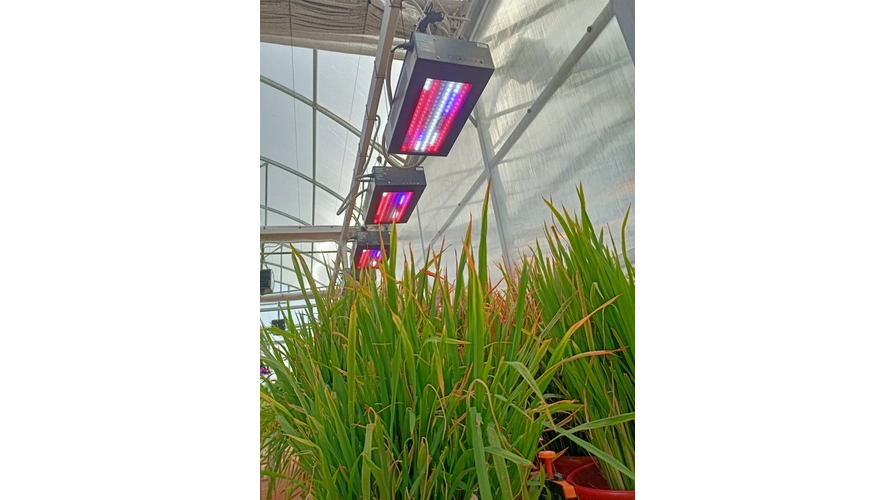
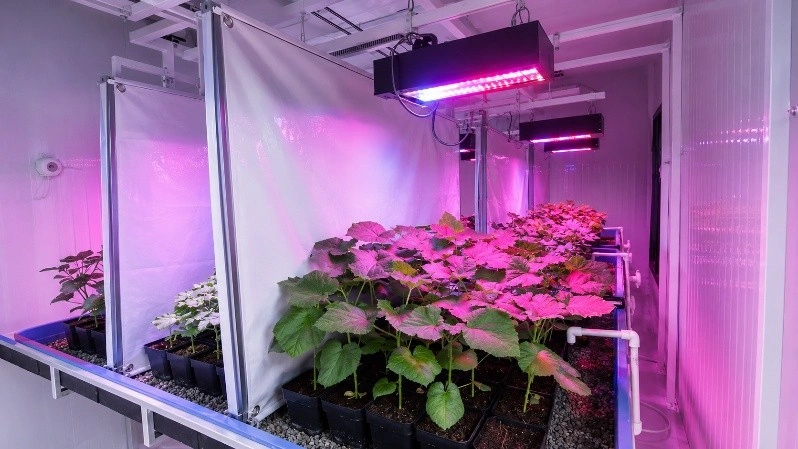
Speed breeding is a way to improve crops faster by controlling the environment. One of the important things to control is light intensity. This is because light intensity in speed breeding affects how plants make food, grow, and produce seeds. In farming, you cannot control light intensity as much as you can in special facilities that are made for speed breeding. These facilities allow us to give plants the adequate amount of light to help them grow healthy and strong. The problem is finding the amount of light that helps plants grow fast without hurting them.
Light intensity determines how much energy plants get from light. This energy is used to make food for the plants through photosynthesis. If plants get enough light, they grow well and produce a lot of food. If they do not get enough light, they do not grow as well and take longer to flower. On the other hand, too much light intensity can hurt plants and make them less productive. For example, Mitache and his team found that light intensity on the higher side can cause plants to get too much stress, which could damage them (Mitache et al., 2024). Recently, scientists have found that different crops need different amounts of light intensity to function properly and excel. They also found that the amount of intensity needed can change depending on the stage of growth.
Effects of Light Intensity on Plant Growth and Development
Light intensity in speed breeding affects things about plants like how fast they make food, how their leaves grow, how tall they get, and how many seeds they produce. As intensity increases, plants can make more food through photosynthesis until they reach a point where more light just does not help.
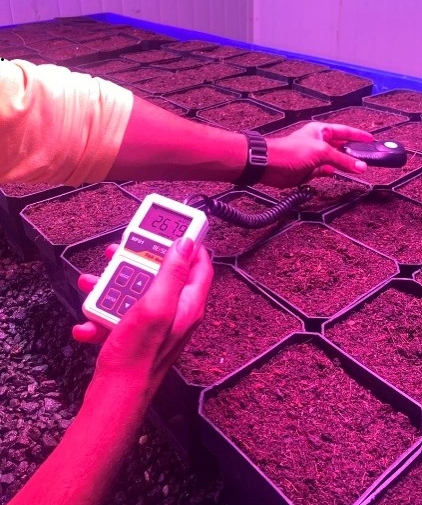
Li and his team did an experiment where they gave spring wheat certain amounts of light intensity, and they found that when they increased the light intensity from a medium level to a higher level, the wheat flowered faster and produced more seeds. When they increased the light even more, it did not help the wheat anymore and actually made some things worse.
The study also showed that plants that got a perfect amount of light intensity did better than plants that got too little or too much. This means that more light intensity is not always better. Once plants get too much light, they can start to do worse even if they have more light.
Mitache and his team found similar things when they studied lentil and chickpea. They gave these plants different amounts of light intensity and found that a medium amount of light was best. This amount of intensity helped the plants grow well and produce seeds without getting too much stress.
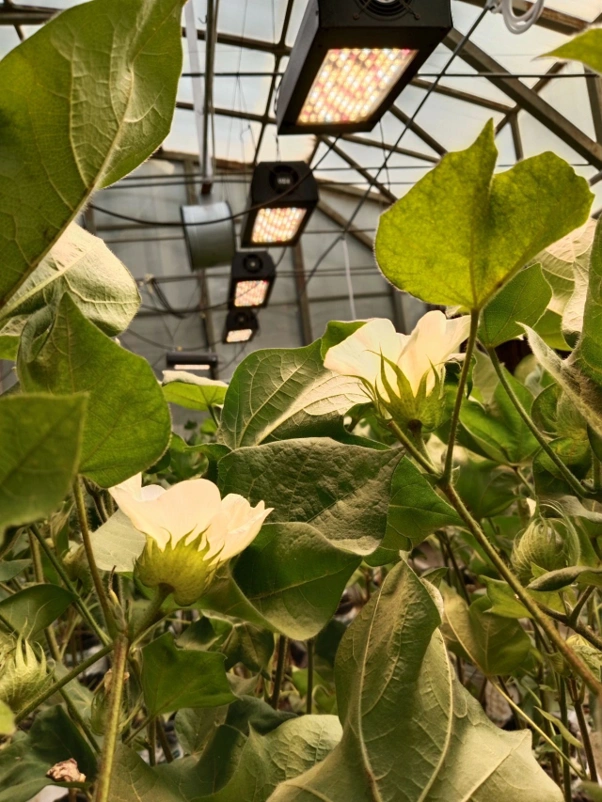
All these studies show that just increasing light intensity in speed breeding does not always make plants grow better or faster. Each type of crop has its own perfect amount of intensity where it can grow well, make a lot of food, and produce seeds without getting too much stress.
Light Intensity and Flowering Time
One of the goals of speed breeding is to get plants to flower and produce seeds faster. Light intensity plays a role in this because it helps plants grow faster and get to the stage where they can produce seeds.
In the study on wheat, Li and his team found that plants that got a medium or adequate amount of light intensity flowered several days earlier than plants that got less light intensity. This meant that these plants could complete their life cycle faster and produce seeds without any problems. The scientists thought that this amount of light intensity could help grow more than seven generations of wheat in a year.
Mitache and his team found similar things when they studied lentil. Plants that got a particular amount of light intensity flowered much earlier than plants that were grown in a regular greenhouse. They also found that different crops respond differently to light intensity. For example, chickpea was more sensitive to high light intensity than its counterpart, lentil. This means that scientists need to find the right amount of light intensity for each type of crop instead of using the same amount for all of them.
Discussion
Light intensity is directly related to the supply of energy that is required for photosynthesis, and hence it affects carbon assimilation, developmental transition, and dry matter production in crops or plants. The appropriate level of irradiation helps in promoting efficient photosynthesis, whereas the higher the light intensity, the more load there is on the photosynthesis cycle of the plant, which in turn reduces performance through photoinhibition and oxidative stress (Mitache et al., 2024).
In spring wheat, Li et al. (2025) evaluated multiple light intensities under controlled indoor conditions. Plants grown at approximately 700 µmol m⁻² s⁻¹ reached flowering earlier than plants receiving lower intensities, while also producing the greatest biomass and grain yield. However, increasing intensity beyond this level did not provide additional benefits and reduced several yield-related traits, indicating that an optimum intensity exists rather than a simple linear response.
Mitache et al. (2024) reported similar principles in lentil and chickpea under extended photoperiods. Lower to moderate light intensities supported rapid flowering, successful seed production, and reduced stress symptoms, whereas relatively higher intensities in the growth chamber caused leaf injury, wilting, and poor reproductive performance in sensitive genotypes. These findings demonstrate that crop species differ in their optimal irradiance requirements.
Together, these studies indicate that light intensity should be optimized according to species and developmental stage. Wheat tolerated substantially higher PPFD than the legumes examined, reflecting differences in physiology and adaptation. Dynamic lighting strategies that adjust intensity during plant development may reduce energy consumption while preserving rapid generation turnover (Li et al., 2025).
Conclusion
Evidence from the two studies consistently shows that optimized, rather than maximum, light intensity is essential for successful speed breeding. Proper management accelerates flowering, improves biomass accumulation, and supports seed production while minimizing physiological stress. Future protocols should integrate species-specific light requirements with photoperiod and spectral management to maximize breeding efficiency.
References
Li, J., Zhang, Y., Cheng, R., & Li, T. (2025). Light spectrum, intensity, and photoperiod are key for production as well as speed breeding of spring wheat in indoor farming. Plant-Environment Interactions, 6, e70085. https://doi.org/10.1002/pei3.70085
Mitache, M., Baidani, A., Bencharki, B., & Idrissi, O. (2024). Exploring the impact of light intensity under speed breeding conditions on the development and growth of lentil and chickpea. Plant Methods, 20, 30. https://doi.org/10.1186/s13007-024-01156-9